
 Download
 Share
ShareBhishma Dwadashi 2026
Waiting for Bhishma Dwadashi 2026? Discover the auspicious date, the legendary story of Bhishma Pitamah, detailed vrat vidhi, daily rituals, and the spiritual benefits every devotee should know to honor this day with devotion and sincerity.
About Bhishma Dwadashi
Bhishma Dwadashi, also known as Bhishma Ekadashi in some regions, is observed in honor of Bhishma Pitamah, the grandsire of the Kuru dynasty in the Mahabharata. It falls on the Dwadashi (12th day) of the Shukla Paksha in the month of Magha or Pausha, depending on the regional calendar. Devotees observe fasts, offer prayers, and recite the legendary story of Bhishma, whose unwavering devotion, righteousness, and loyalty to dharma are an inspiration for all. Worshipping on this day is believed to remove obstacles, bring spiritual strength, and grant longevity, wisdom, and success in life. Bhishma Dwadashi is not just a ritual—it is a day to reflect on virtues like dedication, discipline, and selflessness. Observing this fast with devotion helps devotees cultivate inner strength, moral clarity, and a deeper connection to the teachings of dharma. Devotees often visit temples, perform special pujas, and feed Brahmins or the needy as part of their observance. The vrat, prayers, and recitations of Bhishma’s story enrich spiritual knowledge and help in gaining blessings for a harmonious and prosperous life.
Bhishma Dwadashi 2026: Date, Significance, Puja Vidhi, Vrat Katha, Rules & Complete Guide
Bhishma Dwadashi, also known as Govinda Dwadashi or Bhaishmi Dwadashi, is a highly sacred day in Hinduism. It marks the conclusion of the great warrior Bhishma Pitamah’s life on earth. According to the Mahabharata, Bhishma left his mortal body on Dwadashi tithi of the Shukla Paksha in the month of Magha. This day is observed with deep devotion by devotees who seek righteousness, protection, peace, and blessings of Lord Vishnu. In 2026, Bhishma Dwadashi falls on: Bhishma Dwadashi: Thursday, January 29, 2026 Dwadashi Tithi Begins: 01:55 PM on January 29, 2026 Dwadashi Tithi Ends: 11:09 AM on January 30, 2026 Dwadashi Parana (Breaking the fast): January 30, 2026 Parana Time: 07:10 AM to 09:20 AM On Parana day, the Dwadashi tithi will already be over before sunrise, so devotees should break their fast in the morning during the recommended time.
What is Bhishma Dwadashi?
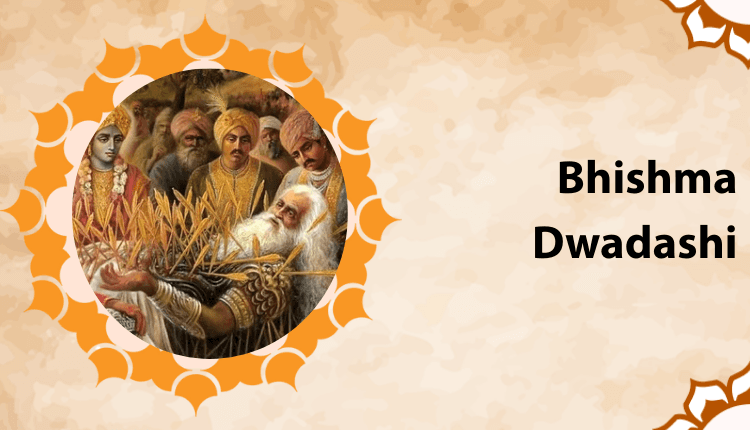
Bhishma Dwadashi is the sacred day when Bhishma Pitamah, the grandsire of the Kuru dynasty, ended his life voluntarily after the end of the Kurukshetra war. Blessed with the boon of Ichcha Mrityu (the power to choose the time of death), Bhishma chose this day under the auspicious influence of Uttarayana, when the Sun begins its journey northward. Devotees observe this day to honor Bhishma’s righteousness, purity, courage, and devotion to dharma. This day is especially important for: Those seeking blessings for righteousness
People who want peace and success
Devotees who wish to strengthen their connection with Lord Vishnu
Those who want protection from negativity
Bhishma Dwadashi is also considered an auspicious day to perform charity, Vishnu puja, and recitation of Vishnu Sahasranama, which was originally taught by Bhishma himself.
Why is Bhishma Dwadashi Celebrated?
- In Honoring Bhishma Pitamah Bhishma, the son of Ganga, is regarded as one of the greatest warriors and wisest men in the Mahabharata. He symbolized discipline, sacrifice, truthfulness, and spiritual devotion.
- Teachings of Vishnu Sahasranama Bhishma recited the Vishnu Sahasranama Stotram on his deathbed to Yudhishthira. This sacred hymn is considered one of the most powerful prayers in Hinduism.
- Celebration of Dharma Bhishma’s life represents the greatness of dharma and the importance of performing one’s duties with purity and truth.
- Auspicious Period of Uttarayana It is believed that departing from life during the Sun’s northward movement leads to liberation and spiritual upliftment.
Who Should Observe Bhishma Dwadashi?
This vrat and puja are recommended for:
- Those seeking spiritual progress Bhishma Dwadashi is excellent for individuals wishing to deepen their connection with dharma and spirituality.
- Married couples It brings peace, stability, and strength to married life.
- Students & knowledge seekers Bhishma represents wisdom. Worshiping him brings clarity, intelligence, and mental strength.
- People facing difficulties Observing this vrat reduces obstacles, removes negativity, and brings harmony.
- Devotees wishing for protection Bhishma prayed for the welfare of future generations; his blessings protect devotees from unseen forces. Anyone, regardless of age or gender, can observe this vrat.
Bhishma Dwadashi 2026: Puja Vidhi (Step-by-Step Guide)
Performing the puja with faith and devotion brings powerful blessings. Below is the complete procedure: Step 1: Morning Routine Wake up early, preferably during Brahma Muhurta.
Take a holy bath.
Wear clean and simple clothes, preferably white or light-colored.
Clean the puja area and arrange all puja items.
Step 2: Sankalp (Vow) Sit before the deity and take a sankalp: "I observe Bhishma Dwadashi Vrat today for peace, righteousness, protection, and the blessings of Lord Vishnu and Bhishma Pitamah." Step 3: Setting up the Puja Altar You will need: Picture or idol of Lord Vishnu
Image of Bhishma Pitamah lying on the bed of arrows (optional)
Flowers, rice, turmeric, kumkum
Diya, camphor, incense
Tulsi leaves
Fruits, sweets, and milk
Light a diya and offer fresh flowers to the Lord. Step 4: Worship Ritual Perform the puja in the following order:
- Vishnu Puja Offer yellow flowers, tulsi leaves, and naivedya.
Chant Vishnu mantras like “Om Namo Bhagavate Vasudevaya.”
- Bhishma Pitamah Puja Offer flowers and recite Bhishma prayers such as: “Bhishmaaya Namah”
- Recite Vishnu Sahasranama This is the most important part of the puja. The Vishnu Sahasranama was given by Bhishma to all humanity. Chanting it today brings: Protection
Inner strength
Removal of negative karma
Peace and blessings
Devotees may also listen to or read the Vishnu Sahasranama if not able to chant fully. Step 5: Observe Fasting There are three ways to keep the fast:
- Nirjala Fast (without water) — Optional & for strict observers
- Phalahar Fast — Fruits, milk, nuts
- Satvik Meal — One simple meal without onion, garlic Choose whichever is suitable. Step 6: Evening Puja & Aarti Light a diya once again.
Offer tulsi and flowers.
Perform Vishnu aarti.
Pray for blessings, protection, and peace.
Step 7: Parana (Breaking the Fast) Parana is done when Dwadashi ends. Parana for Bhishma Dwadashi 2026: January 30, 2026 Time: 07:10 AM to 09:20 AM Break your fast only during this time. Traditionally, after the fast, devotees: Eat satvik food
Donate clothes or grains
Offer water to cows
Rules of Bhishma Dwadashi Vrat
Do’s Maintain purity of mind and body Read Vishnu Sahasranama Speak truth and avoid negative emotions Offer tulsi leaves to Lord Vishnu Perform charity
Don’ts Avoid anger, arguments, and lies Do not consume onions, garlic, or tamasic food Avoid meat, alcohol, or intoxicants Avoid harming any living being
Foods Allowed During Bhishma Dwadashi
Allowed Fruits and dry fruits Milk, curd, ghee Sabudana, peanuts Simple satvik food Rock salt
Not Allowed Onion, garlic Grains (strict observers avoid grains) Non-veg food Fried or junk food Alcohol
Bhishma Dwadashi Vrat Katha (Short Summary)
The Bhishma Dwadashi Vrat Katha is rooted in the Mahabharata. After the Kurukshetra war, Bhishma lay on a bed of arrows, waiting for the auspicious time of Uttarayana to leave his body. During this period, he shared profound knowledge with Yudhishthira, including: Duties of a king
Morality and justice
Importance of truth and righteousness
The divine Vishnu Sahasranama
On the Dwadashi day of Shukla Paksha in Magha month, Bhishma chose to depart from the physical world. The moment he left: Divine flowers showered from the sky
Devas welcomed him
The atmosphere was filled with peace
The earth became blessed with his final teachings
The moral of the Bhishma Dwadashi story is: “A life lived with truth, discipline, and devotion leads to liberation and eternal peace.”
Importance of Vishnu Sahasranama on Bhishma Dwadashi
Bhishma personally taught this sacred hymn to Yudhishthira. Benefits include: Protection from negative energies
Relief from stress and suffering
Increased concentration and clarity
Spiritual upliftment
Blessings of Lord Vishnu
Even listening to the Sahasranama on this day brings great merit.
Benefits of Observing Bhishma Dwadashi
- Protection from Negativity This vrat creates a spiritual shield around the devotee.
- Peace and Stability Life becomes more harmonious and peaceful.
- Blessings from Bhishma Pitamah Bhishma blesses devotees with strength and righteous thinking.
- Health Benefits Fasting purifies the body and enhances inner wellness.
- Fulfillment of Wishes Prayers offered on this day are believed to be successful.
- Spiritual Growth The vrat removes karmic impurities and helps progress on the spiritual path.
Mantras for Bhishma Dwadashi
Vishnu Mantra “Om Namo Bhagavate Vasudevaya” Bhishma Mantra “Om Bhishmaaya Namah” Shanti Mantra “Om Shanti Shanti Shantih” Chanting these mantras 108 times enhances the results of the vrat.
After-Fasting Rituals
After completing the fast and puja: Eat simple satvik food
Donate food, grains, or clothes
Offer water to cows or birds
Thank Lord Vishnu and Bhishma Pitamah
Recite or listen to Vishnu Sahasranama
Charity performed on this day brings immense punya (spiritual merit).
Conclusion
Bhishma Dwadashi is one of the most spiritually powerful days in the Hindu calendar. It honors the eternal teachings of Bhishma Pitamah and his devotion to dharma. Observing the vrat with sincerity brings: Protection Peace Prosperity Righteousness Removal of difficulties
Whether you seek spiritual upliftment, blessings for your family, or peace of mind, Bhishma Dwadashi 2026 offers divine grace for everyone.

Did you like this article?
Recommended
Read more
Jaya Ekadashi 2026
Discover Jaya Ekadashi 2026 date, fasting rules, rituals, significance, and spiritual benefits. A complete guide for devotees to observe this sacred Ekadashi for peace, prosperity, and devotion.

Masik Karthigai 2026
Discover Masik Karthigai 2026 date, puja vidhi, significance, and rituals. A complete guide for devotees to celebrate this auspicious day dedicated to Lord Murugan and Lord Shiva.

Masik Durgashtami 2026
Explore Masik Durgashtami 2026 dates, puja vidhi, vrat katha, significance, fasting rituals & benefits. A sacred monthly observance dedicated to Maa Durga for peace, prosperity and protection.