
 Download
 Share
ShareBhishma Ashtami 2026
Awaiting Bhishma Ashtami 2026? Explore the auspicious tithi, the sacred significance of Bhishma Pitamah’s moksha, complete fasting and puja rituals, and why this day is considered extremely holy for devotees seeking strength, discipline, and freedom from past karmic burdens.
About Bhishma Ashtami
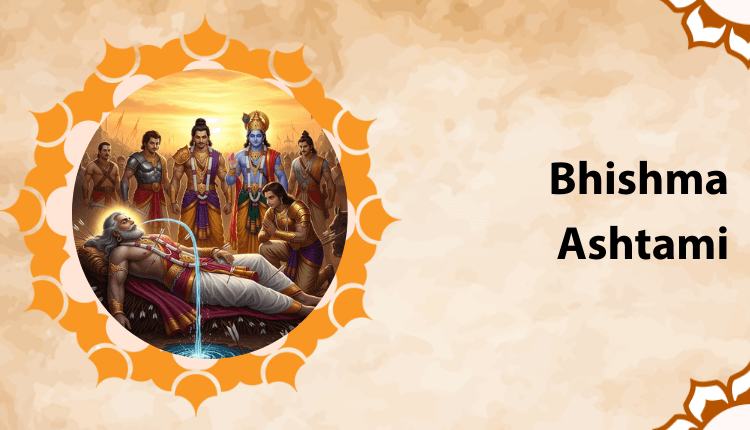
Bhishma Ashtami is observed as the divine day when Bhishma Pitamah, the son of Ganga and Shantanu, left his mortal body and attained Mahaprayana and Moksha on his own chosen day, thanks to his boon of Ichha Mrityu. Falling on the Ashtami Tithi of Shukla Paksha in the month of Magha, this day carries immense spiritual and ancestral importance. Devotees believe that worshipping Bhishma Pitamah on this day brings blessings of Dharma, discipline, willpower, courage, and righteousness. Many observe a fast, offer water and sesame (Til) for ancestral peace, and pray for liberation from karmic patterns. It is a key day for honoring Pitru (ancestors) and performing Tarpan and Shraddha, believed to bring peace to departed souls. Bhishma Pitamah is revered as a symbol of duty over desire, sacrifice over self-interest, and unwavering devotion to Dharma. Observing the rituals of Bhishma Ashtami is said to purify the mind, heal inner conflicts, and strengthen moral values. Devotees recite the Bhishma Stuti, Vishnu Sahasranama, and meditate on truth, self-discipline, and noble conduct. Bhishma Ashtami is much more than a religious day—it is a reminder of inner strength, righteous living, ancestral connection, self-control, and the ultimate journey towards liberation.
Bhishma Ashtami 2026: Date, Significance, Rituals, Legends, Puja Vidhi, Fasting Rules & Complete Guide
Bhishma Ashtami is one of the most sacred and spiritually powerful days in Hindu tradition. It is dedicated to Pitamah Bhishma, one of the greatest warriors and wisest elders in the Mahabharata. Bhishma Ashtami is observed on the Ashtami tithi (eighth lunar day) of Shukla Paksha in the month of Magha. It marks the day when Bhishma left his mortal body on the bed of arrows and attained divine liberation. This day is especially significant for performing Pitru Tarpan, offering homage to ancestors, seeking forgiveness, gaining strength, and receiving divine blessings. Below is the complete guide to Bhishma Ashtami 2026 including the exact date, puja vidhi, fasting rules, importance, benefits, and Bhishma’s legend.
Bhishma Ashtami 2026: Date & Timings
In 2026, Bhishma Ashtami will be observed on: Bhishma Ashtami 2026 Date: Monday, January 26, 2026 Madhyahna Time: 11:29 AM to 01:38 PM Duration: 2 hours 09 minutes Ashtami Tithi Begins: 11:10 PM on January 25, 2026 Ashtami Tithi Ends: 09:17 PM on January 26, 2026 The most auspicious time for offering Tarpan or Shraddha is Madhyahna (mid-day period).
What is Bhishma Ashtami?
Bhishma Ashtami is the day when the great warrior Bhishma Pitamah, lying on a bed of arrows, chose to leave his physical body and ascend to the divine realms. Bhishma had the boon of Ichha Mrityu, meaning he could choose the exact moment of his death. He waited until the auspicious period of Uttarayana, when the sun begins its northward journey, a time associated with liberation and higher spiritual destiny. This day is dedicated to: Honoring Bhishma’s sacrifice, wisdom, and devotion
Paying homage to ancestors
Practicing self-discipline and truth
Observing fasts for peace and blessings
Bhishma Ashtami is especially important for those seeking ancestral blessings, resolution of family issues, and inner strength.
Religious Importance of Bhishma Ashtami
Bhishma Pitamah is revered for his: Unmatched bravery
Supreme knowledge
Unshakeable commitment to truth and dharma
Celibacy and sacrifice for his kingdom
Guru-like wisdom to generations
On Bhishma Ashtami, devotees remember his virtues and pray for his blessings. Key Beliefs Associated With This Day Helps remove Pitru Dosha
Ensures ancestral peace
Strengthens family harmony
Bestows courage, discipline, and wisdom
Helps in overcoming negativity and obstacles
Grants spiritual growth and purity of mind
This day is considered as spiritually powerful as Ekadashi fasting and Gita Jayanti.
Who Should Observe Bhishma Ashtami?
Bhishma Ashtami can be observed by all, but is especially recommended for: Those seeking ancestral blessings People facing Pitru Dosha or repeated life obstacles Individuals wishing to strengthen discipline and mental clarity Families experiencing disputes, tension, or instability Students and young individuals wanting wisdom and focus Devotees wanting to honor the legacy of Bhishma Pitamah Women, men, children, students, and elders—anyone may observe this fast and puja with devotion.
Significance of Bhishma Ashtami
- Day of Ancestral Offering (Pitru Tarpan) Bhishma Ashtami is one of the most powerful days for Pitru Tarpan—a ritual to honor ancestors. It is believed that performing tarpan on this day brings peace to departed souls and grants blessings to the family.
- Spiritual Purification Bhishma was a symbol of purity, sacrifice, and self-discipline. Observing this vrat helps devotees cultivate similar virtues.
- Removal of Family Conflicts Bhishma was the pillar of unity in the Kuru dynasty. Worship on this day brings harmony, reduces conflicts, and strengthens family bonds.
- Overcoming Obstacles Prayers offered to Bhishma help remove obstacles related to career, relationships, and emotional struggles.
- Blessings for Courage & Wisdom Students, professionals, and spiritual seekers gain clarity and inner strength.
- Honoring the Mahabharata Legacy Bhishma Ashtami keeps alive the teachings of the Mahabharata, especially the values of dharma (righteousness) and sacrifice.
Bhishma Ashtami Puja Vidhi (Step-by-Step Guide)
Follow the steps below to perform the Bhishma Ashtami puja at home. Step 1: Morning Preparations Wake up early, preferably during Brahma Muhurat
Take a bath and wear clean, simple clothes
Clean the puja area
Place an image or idol of Bhishma, Lord Vishnu, or Sri Krishna
Step 2: Sankalp (Vow of Fasting and Worship) Sit in front of the deity and make a vow: To observe the fast with devotion
To seek peace for ancestors
To gain strength, purity, and wisdom
To remove obstacles and negativity
This vow energizes the vrat and sets the intention. Step 3: Essential Puja Items Prepare the following items: Gangajal or clean water
Flowers (especially white flowers)
Til (sesame seeds)
Kusha grass
Fruits, betel leaves
Diya, incense sticks
Rice mixed with turmeric (akshata)
Tulsi leaves
A small bowl for tarpan
Step 4: Main Puja Procedure
- Light the Diya This symbolizes divine presence.
- Offer Flowers and Water Offer flowers, akshata, and water to Bhishma and Vishnu.
- Chant Mantras Popular mantras include: Vishnu Mantra: “Om Namo Bhagavate Vasudevaya” Bhishma Stuti Mantra: “Vasudeva sutam devam Kamsa-Chanura mardanam, Devaki-paramanandam Krishnam vande Jagadgurum.”
- Recite the Bhishma Ashtami Katha Describing Bhishma’s life and sacrifice enhances the merit of the vrat.
- Offer Tulsi Leaves to Lord Vishnu Tulsi is essential for this puja. Step 5: Tarpan Ritual (Most Important) Bhishma Ashtami is one of the most powerful days to offer tarpan. Use: Water
Black sesame seeds (til)
Kusha grass
The devotee faces east and recites the mantra: “Om Bhishmāya Swadhā Namo Namah.” This ritual grants peace to ancestors and removes Pitru Dosha. Step 6: Fasting (Upvas) You may observe: Nirjala Fast No food or water throughout the day (most difficult, optional). Phalahar Fast Fruits, milk, and simple satvik foods. Partial Fast One satvik meal after noon. Fasting increases mental discipline and spiritual purity. Step 7: Evening Puja Light a diya again
Offer flowers and chant Vishnu mantras
Perform a final aarti
Meditate for a few minutes with gratitude
Step 8: Breaking the Fast (Parana) End the fast after evening rituals or after Ashtami Tithi ends. Traditionally, devotees break their fast with: Fruits
Milk
Simple satvik food
Some offer charity to Brahmins or the needy.
Bhishma Ashtami Katha (Short Summary)
The Bhishma Ashtami story revolves around the noble life and sacrifice of Bhishma Pitamah, born as Devavrata, the son of King Shantanu and Goddess Ganga. Key Points of the Katha Devavrata was a divine soul, a partial incarnation of the Vasu Dyaus.
To fulfill his father’s wishes, he took the deadly vow of lifelong celibacy, earning the name “Bhishma” (one who makes a terrible vow).
He became the greatest warrior and guardian of the Kuru dynasty.
During the Mahabharata war, Bhishma lay on a bed of arrows.
Due to his boon of Ichha Mrityu, he chose to leave his body only when the sun moved into the auspicious Uttarayana.
On Shukla Ashtami of Magha month, Bhishma departed, blessing the world with his famous teachings known as Bhishma Stuti and the Bhishma Gita.
Moral of the Story Bhishma teaches: Truth is the highest dharma
Sacrifice is the foundation of duty
Strength must serve righteousness
Devotion and discipline lead to liberation
Rules & Guidelines for Observing Bhishma Ashtami
Do’s Observe a clean and pure lifestyle for the day Chant Vishnu and Bhishma mantras Perform tarpan with devotion Practice truth, humility, and patience Donate food, clothing, water, or blankets
Don’ts Avoid anger, lies, or harsh words Avoid tamasic foods (onion, garlic, meat) Avoid intoxicants Do not harm any living creature Avoid negative thinking
Allowed & Not Allowed Foods During the Fast
Allowed Fruits Milk, curd, ghee Coconut, nuts Rock salt Simple satvik meal (if not observing nirjala fast)
Not Allowed Onion and garlic Grains (for strict observers) Non-vegetarian food Processed or junk items Fried and spicy food
Benefits of Observing Bhishma Ashtami
- Peace for Ancestors Performing tarpan grants peace to ancestors and removes Pitru Dosha.
- Family Harmony This vrat reduces disputes and strengthens family unity.
- Courage & Mental Strength Devotees gain qualities of Bhishma such as bravery, patience, and discipline.
- Protection from Obstacles Bhishma’s blessings help remove emotional and spiritual challenges.
- Good Health & Longevity Fasting and worship purify the body and mind.
- Wisdom & Clarity Students gain improved concentration, memory, and understanding.
- Spiritual Upliftment Observing this vrat increases devotion, purity, and divine consciousness.
Mantras & Stotras for Bhishma Ashtami
- Vishnu Mantra “Om Namo Bhagavate Vasudevaya”
- Bhishma Stuti “Shantakaram Bhujaga-shayanam Padmanabham suresham Vishvadharam gagana-sadrisham Megha-varnam shubhangam.”
- Shanti Mantra “Om Shanti Shanti Shantih” Chanting these mantras 108 times is considered beneficial.
After-Fasting Rituals
After completing the vrat: Break the fast with satvik food
Donate food, water, sesame, or clothes
Read Vishnu Sahasranama
Offer prayers for ancestors
Express gratitude to Bhishma Pitamah
Charity performed on this day gives immense punya (merit).
Conclusion
Bhishma Ashtami is a deeply spiritual day that celebrates the virtues of one of the greatest heroes of Indian tradition—Bhishma Pitamah. Observing this vrat in 2026 with devotion can bring: Ancestral blessings Mental strength and clarity Family peace Removal of obstacles Spiritual purity Wisdom and protection
Whether you observe it for family harmony, spiritual upliftment, or to honor your ancestors, Bhishma Ashtami 2026 ensures divine blessings for all.

Did you like this article?
Recommended
Read more
Jaya Ekadashi 2026
Discover Jaya Ekadashi 2026 date, fasting rules, rituals, significance, and spiritual benefits. A complete guide for devotees to observe this sacred Ekadashi for peace, prosperity, and devotion.

Bhishma Dwadashi 2026
Discover Bhishma Dwadashi 2026 date, significance, vrat vidhi, and legends. A complete guide for devotees to honor Bhishma Pitamah and observe this auspicious fast with devotion.
Masik Karthigai 2026
Discover Masik Karthigai 2026 date, puja vidhi, significance, and rituals. A complete guide for devotees to celebrate this auspicious day dedicated to Lord Murugan and Lord Shiva.